Crypto Words Every Beginner Should Know

Crypto words sound like a totally different language when you first hear them. People talk about HODL, gas fees, and bear markets like everyone knows what they mean. You do not need a computer degree to get it.
This simple guide explains the main crypto words every beginner should know. Once you learn a few basic terms, reading news or talking to friends about digital money gets much easier. You will also spot risks faster and avoid silly mistakes.
The basic money words you hear every day
Let us start with the names of the digital assets themselves. People use a few terms to group different types of coins, and mixing them up can get confusing fast.
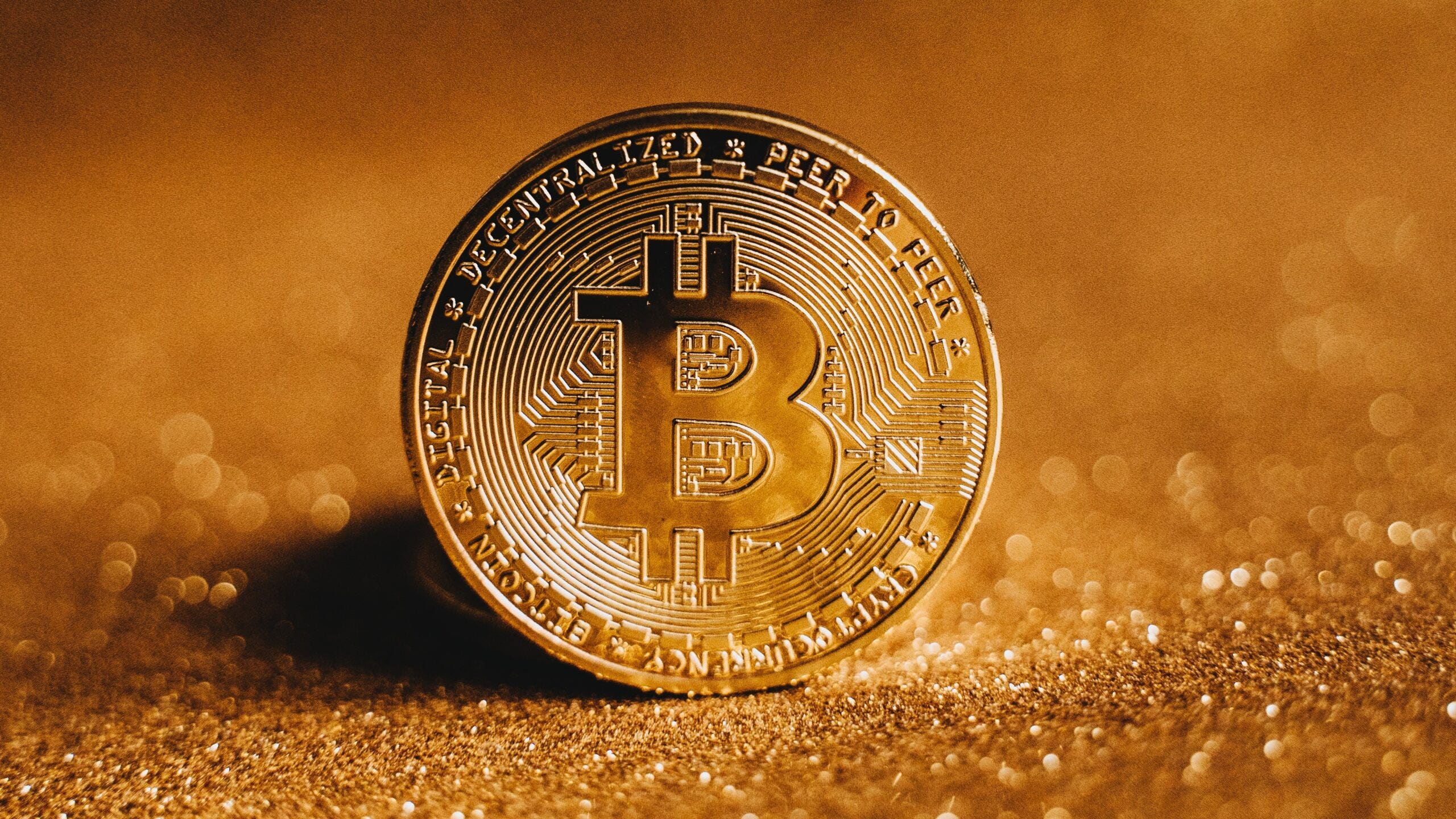
Cryptocurrency is the big umbrella word for all digital money that uses code to stay safe. Bitcoin was the very first one back in 2009. People often call Bitcoin an altcoin competitor, but altcoin actually means any coin that is not Bitcoin. Ethereum, Solana, and thousands of small coins are all altcoins.
Then you have tokens. A coin has its own system, while a token runs on top of a system built by someone else. Think of a coin like a real country's money, while a token is like an arcade ticket. You can learn more about how fixed coins work in our guide to Stablecoins Explained: How They Stay at One Dollar.
Here are three terms you will see every time you look at prices:
- Market Cap: The total value of all coins added together. You multiply the current price by the number of coins in the world.
- Fiat: Normal money made by governments, like US Dollars, Euros, or Yen.
- Whale: A person or group that owns a massive amount of crypto. When a whale buys or sells, the price often jumps or drops.
Words about buying, selling, and holding your coins
Trading comes with its own set of slang. Many of these words started as jokes on internet message boards years ago. Today, even news sites use them.
HODL is the most famous word in crypto. It was a typo for the word hold in an old online post back in 2013. The writer was drunk and misspelled it while saying he would never sell his coins. Now it stands for Hold On for Dear Life. It means keeping your crypto for years, no matter how low the price falls.
FOMO stands for Fear Of Missing Out. You see a coin price going up fast on a chart, and you feel a panic inside. You want to buy right away so you do not get left behind. This is dangerous. Buying during a big price jump often leads to losing money when the market cools down.
FUD means Fear, Uncertainty, and Doubt. People use this word when bad news spreads about a project. Sometimes the bad news is true, but sometimes people spread fake rumor to make the price drop on purpose so they can buy cheap.
DCA stands for Dollar Cost Averaging. Instead of spending 1,000 dollars all at once, you buy 50 dollars worth of crypto every week. This helps smooth out the wild price swings over time.
Where your coins live and how they move
Storing digital money is not like putting cash in a leather wallet in your pocket. Crypto lives on a big public network, not inside a phone app.
A wallet is just a tool that holds your secret codes. A hot wallet connects to the web, like an app on your smartphone. It is easy to use for daily moves, but hackers can target it. A cold wallet is a tiny hardware device, like a USB stick, that stays offline. Cold storage is much safer for big amounts because it keeps your codes away from bad websites.
Your wallet has two main codes you must understand:
- Public Key: This is like your home mailing address or email. You can share it with anyone so they can send you money.
- Private Key: This is like the password to your bank account or the physical key to your front door. Never share it with anyone.
A seed phrase is a list of 12 or 24 random plain words. Your wallet gives you this list when you set it up. If your phone breaks or drops in water, those words bring your money back on a new device. If a thief gets those words, your cash is gone forever. Keep them on paper, away from cameras and internet screens.
When you send coins to a friend, you pay a small fee. On the Ethereum network, people call this a gas fee. Gas is the fee you pay to the computers that check your trade and save it to the public record. When the network gets crowded, gas fees go up fast.
How to read the market trends like a pro
Prices move every second of the day because crypto markets never close. Traders use special words to talk about which way the whole market is sliding.
A bull market means prices are rising fast over weeks or months. Buyers feel happy and brave, so they put more money in. People call a brave buyer bullish. The word comes from a bull thrusting its horns up into the air.
A bear market is the exact opposite. Prices slide down for months, and people feel scared to buy. A bear swipes its paws downward, which is where the name comes from. Crypto has seen bad bear markets where top coins lost 80 percent of their value before fixing themselves.
Check out our simple guides on our crypto basics hub for beginners to learn more about market safety. Staying safe starts with knowing the risks involved before you ever send a single dollar to an app.
Another word you will hear during market drops is a rug pull. This is a scam where project creators take everyone's money and disappear overnight. They build a fancy website, hype a new token, wait for people to buy in, and then steal the funds. Always check who built a project before putting real money in.
Advanced words made simple
Once you get past the basic terms, you will run into tech words. You do not need to code, but knowing these three helps you read crypto news clearly.
The blockchain is the digital record book where all trades get written. Imagine a shared notebook that thousands of computers copy at the same time. Once a line is written in that notebook, nobody can erase it or alter it. That makes it very hard to cheat the system.
DeFi stands for Decentralized Finance. It means doing bank stuff like borrowing, lending, or trading without a traditional bank in the middle. Computer code handles the deals instead of a person sitting in an office.
Smart contracts are simple programs saved on the chain. They run automatically when specific rules get met. Think of a vending machine. You put a dollar in, the machine sees the dollar, and a drink drops down. No cashier is needed to check the sale.
Small checklist for your journey
You do not need to memorize every single word today. Keep this simple list in mind as you learn more about digital assets.
First, never share your seed phrase with any site, app, or support agent. Real helper teams will never ask for those words. Second, watch out for sudden FOMO feelings when prices shoot up. Taking a breath saves you from bad choices.
Which crypto word surprised you the most today? Take your time, read slowly, and always protect your personal detail when testing new tools online.


Comments
Post a Comment