Stablecoins Explained Simply: How Digital Dollars Work
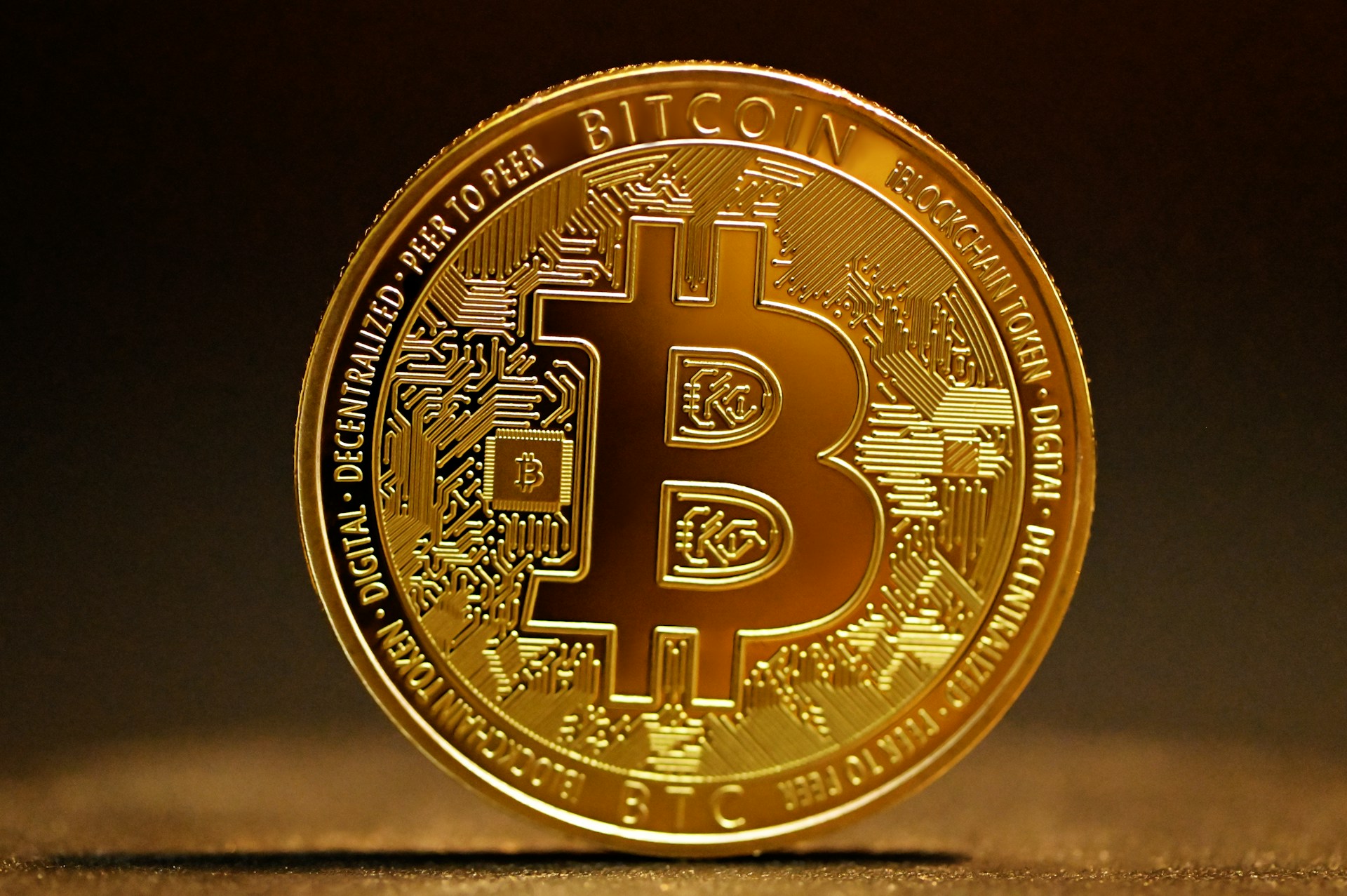
Stablecoins keep their value steady even when other digital coins jump up and down like a rollercoaster. You can hold them on your phone, send them across the world in seconds, and know one coin stays worth about one dollar. They bridge the gap between traditional bank money and the wild world of crypto.
A stablecoin is a type of digital currency designed to track the value of a regular asset, usually the US dollar. Unlike Bitcoin, which might change price by thousands of dollars in a single afternoon, these coins sit right at one dollar. They give you the speed of digital money without the constant price stress.
What Is a Stablecoin and How Does It Stay at One Dollar?
Think of a stablecoin like a digital token you get at an arcade. You give the front desk one real dollar bill, and they hand you one plastic token. As long as you know you can trade that token back for your dollar bill at any time, that plastic token is worth one dollar to you.
Most popular stablecoins work the exact same way. The company behind the coin sets up a bank account. For every digital coin they create on the computer, they put one real US dollar into their bank vault. This is called collateral. If people want to swap their digital coins back for cash, the company pulls real money out of the bank and pays them.
Other stablecoins try different tricks to keep their value. Some hold real gold in a vault instead of paper bills. A few use computer math and rules to control the supply of coins automatically. But the ones backed by cash in safe accounts are the ones people use most today.

Why Do People Use Stablecoins Instead of Cash?
Sending money through a regular bank can take three business days, especially if you send it to another country. Bank fees can slice off ten or twenty dollars from your transfer. Regular money also sleeps on weekends, so a transfer started on Friday night might sit still until Monday morning.
Stablecoins do not sleep. You can send fifty dollars to a friend in Japan on a Sunday at midnight, and it lands in their account before they finish reading a text message. The fee often costs just a few pennies. It brings the quick speed of the internet to normal cash.
People also use them as a safe harbor inside the crypto market. Imagine you own a coin that went up in value, and you want to lock in your gains. Instead of sending the money back to a slow bank account, you can quickly swap it into stablecoins. You clear your risk without leaving the digital world.
If you are just getting started, you will need a good place to keep your coins. You can learn more about How a Crypto Wallet Works to Store Digital Money before you make your first transfer. Setting up your safe setup first saves a lot of headaches later.
The Different Types of Stablecoins You Will See
Not all stablecoins build their safety net the same way. Knowing what sits behind your coin helps you decide which ones you trust with your hard-earned money.
Here are the three main types you will meet:
- Fiat-backed coins: These use real paper cash and government bonds stored in banks. Examples include USDT and USDC. They are the most common and simple to understand.
- Crypto-backed coins: These use other digital coins like Ethereum as collateral. Because those other coins change price fast, the system holds extra crypto as a backup buffer just in case prices drop.
- Algorithmic coins: These do not hold cash in a bank. Instead, a computer program creates or burns coins to nudge the price toward one dollar. They carry much higher risks.
Fiat coins sit at the top of the list for most buyers. Companies print regular reports showing how much money rests in their accounts. Independent auditors check the math to prove the cash really exists.
What Are the Big Risks You Should Know About?
Stablecoins sound very safe, but they carry real risks that regular bank accounts do not have. The biggest danger is de-pegging. This happens when a stablecoin loses its connection to the dollar and drops to ninety cents, fifty cents, or even zero.
In May 2022, an algorithmic coin named TerraUSD broke down completely. It lost its one-dollar value in a matter of days. Millions of people lost their savings because there was no real cash in a bank to back up the coin. That crash taught everyone a hard lesson about trusting digital promises over real assets.
You also face company risk. If the firm issuing the coin gets into legal trouble, freezes accounts, or loses its bank access, your coins could get stuck. Regular bank deposits in the US have federal insurance up to 250,000 dollars. Digital stablecoins do not have that safety net. If the company goes broke, you could lose your money.
Technology can break too. Smart contracts are computer programs that move coins around. If a hacker finds a bug in that code, they might drain the money. It does not happen every day, but it is a real danger you must consider.
Before buying any token, check out our guide on crypto basics and safety tips to help you protect your digital assets.
How to Choose and Store Stablecoins Safely
If you decide to use stablecoins, picking the right one matters a lot. Stick to coins that have a long track record and publish monthly bank reports. Read the news to see if real auditors inspect their accounts regularly.
Avoid new coins that promise high interest rates. If a platform says you can earn fifteen percent a year just by holding their digital dollars, walk away. High returns always mean high hidden risks. Normal banks cannot pay those rates, and digital coins cannot magically make free money either.
Store your coins in a private wallet where you hold the keys, rather than keeping them on an exchange platform long-term. Exchanges can get hacked or pause withdrawals when markets panic. Moving your money to your own app keeps you in full control of your cash.
Start small while you learn the ropes. Send five dollars to a friend first to see how the software feels. Watch the transaction happen on the public ledger. Learning by doing small tests builds your confidence without risking your savings.
To understand the bigger picture of how these tokens live on open networks, read about Blockchain history and design. Understanding the ground tech helps make every step clearer.
Are Stablecoins the Future of Everyday Money?
Central banks around the world watch stablecoins very closely. Some countries are working on their own official digital currencies to compete with private coins. They see that people want fast, digital payments that run round the clock without heavy fees.
Using digital dollars can open up global business for anyone with a smartphone. A graphic designer in Brazil can take payments from clients in Texas without waiting days for international bank wires. That changes how small businesses work across borders.
Yet, rules are changing quickly. Governments want to make sure stablecoin companies follow strict banking laws so everyday users do not lose their cash. Over the next few years, tighter laws will likely make the biggest coins safer, while weak ones disappear.
Stablecoins offer an easy way to try digital payments without worrying about price swings. They bring speed, low fees, and continuous access to your funds. Just remember to check who holds the real cash backing your coin before you swap your hard-earned money.
Will you try using a digital dollar for your next online transfer, or do you prefer sticking to old-fashioned bank apps?


Comments
Post a Comment