What Is Blockchain? A Simple Guide for Beginners
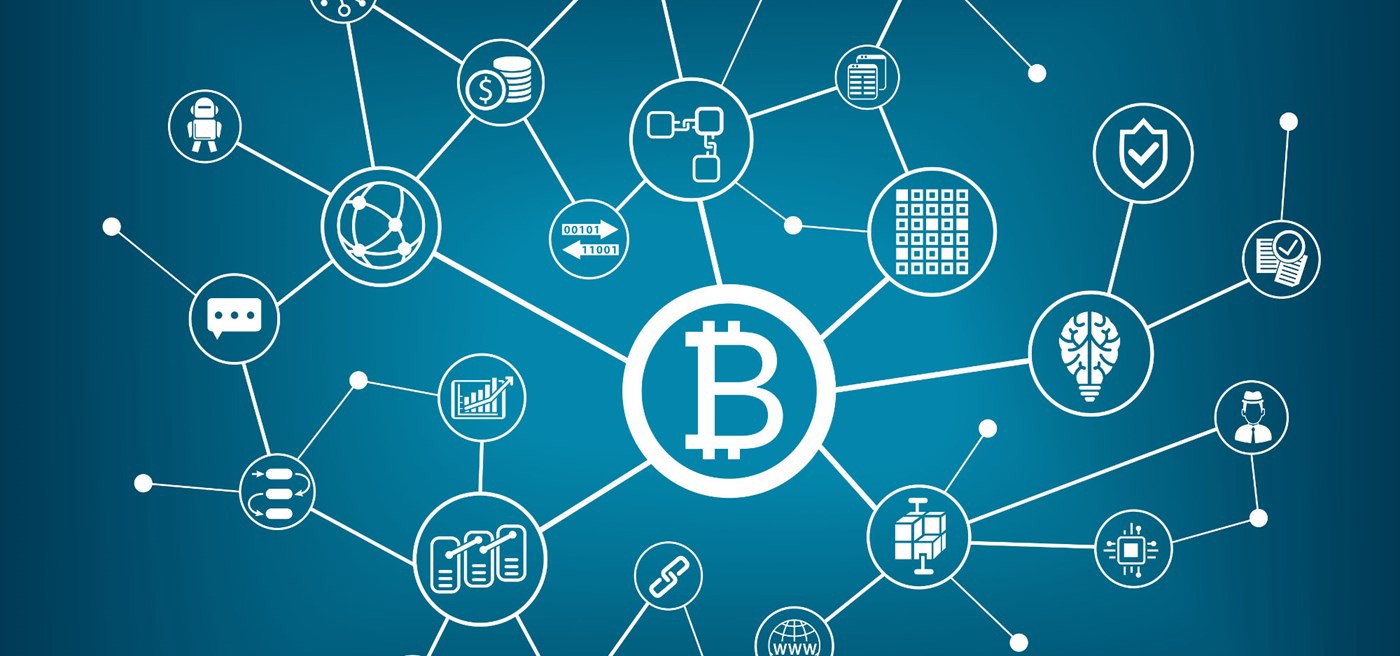
Blockchain is a digital notebook that thousands of computers share at the same time. When someone writes a new line in this notebook, every computer checks it and saves a copy. Nobody can erase what is already written, which makes it very hard for anyone to cheat.
Think of it like a giant group chat where everyone keeps a record of who spent what. If one person tries to change an old message to steal money, the other computers spot the lie right away. This simple setup lets people send value across the world without using a bank.
How Does a Blockchain Actually Work?
Imagine a stack of wooden blocks. Each block holds a list of fresh transactions, like Tom sending two coins to Sarah. When a block gets full of records, the system locks it tight with a special digital code.
Then, the system attaches a new empty block on top of the old one. This creates a long chain of blocks, which is where the word blockchain comes from. Each block contains a piece of the code from the block right before it. If you try to change a number in block number two, the code in block number three breaks immediately.
Every single computer connected to the network holds a full copy of this chain. In 2024, the main Bitcoin chain was over 500 gigabytes big. Thousands of regular people run these computers in their homes and offices. They all compare notes every few minutes to make sure their copies match perfectly.
Why Do People Use Blockchain Instead of Regular Banks?
When you send money through a bank, the bank sits in the middle. The bank checks your balance, approves the payment, and takes a fee. If the bank website goes down, you cannot send your money. If the bank decides to freeze your account, your funds sit locked away.
A blockchain runs without a main boss or central office. No single company owns it, and no single person can shut it down. If you want to transfer digital money to a friend in Japan at midnight, the network processes it directly between your two digital wallets. You can read more about trading these coins on different platforms in our guide on How Crypto Exchanges Work: A Simple Guide for Beginners.
This setup brings three clear benefits to everyday users:
- No single point of failure: If one hundred computers shut down, thousands of others keep running the network.
- Open records: Anyone can look at the public chain to verify that a transaction happened.
- Lower costs for international sends: Sending value across borders often costs less than traditional wire transfers.
What Keeps the System Safe from Hackers?
You might wonder why a bad actor cannot just copy the file and add a million dollars to their own account. The secret lies in math and agreement. The network uses a rule called consensus, which means the majority of computers must agree before any new block gets added.
To fake a transaction on a major network, a hacker would need to trick over half of all the computers in the world at the exact same second. Buying that much computer power would cost billions of dollars. It costs far more to cheat the system than anyone could ever steal from it.
Security also relies on public keys and private keys. Your public key acts like your home address, so anyone can send you funds. Your private key acts like the front door key. You use your private key to sign off on transfers. If you keep that private key secret, nobody else can touch your coins.
Real Examples of Blockchain Outside of Crypto
While most people link this tech to cryptocurrency, companies use these shared notebooks for many other tasks today. The main idea is keeping track of items as they move from place to place.
Supermarket chains use blocks to track fresh food from farms to store shelves. In 2018, Walmart tested a system that tracked the origin of sliced mangos in two seconds instead of seven days. If a batch of spinach makes people sick, the store can find the exact farm immediately and pull only those bad bags.
Hospitals use these networks to share patient records safely between different doctors. Shipping firms use them to track cargo containers across oceans. If you want to stay up to date on these industry changes, check out the latest crypto market news and beginner guides to see how the tech grows.
What Are the Risks and Downsides?
No technology is perfect, and this network model has real flaws you should know about. First, it is often slow. A normal credit card company handles tens of thousands of swipes every second. A basic Bitcoin network handles only about seven transactions per second. This bottleneck makes fees spike when many people try to use the network at once.
Second, transactions are final. If you accidentally send funds to the wrong wallet address, there is no customer service line to call. No manager can press a button to undo your mistake. The money stays in that wrong account forever unless the receiver sends it back.
Third, energy use can be very high. Some networks require thousands of high-powered machines to solve hard math puzzles round the clock. While newer networks use greener systems that cut power use by 99 percent, older networks still draw a lot of electricity.
Is Blockchain the Same Thing as Bitcoin?
People often mix these two names up, but they are not the same thing. Think of a blockchain as an engine, and Bitcoin as just one car that uses that engine. You can use the engine to build a car, a truck, or a boat.
Bitcoin was the very first system built on top of this shared notebook tech back in 2009. Since then, developers have built thousands of other digital assets, platforms, and programs using different styles of the same underlying math. Some chains handle money, while others execute automatic agreements called smart contracts.
Where Is This Technology Going Next?
Engineers work every day to make these shared notebooks faster and cheaper. New fixes built on top of main networks allow small payments to clear in less than a second for fractions of a penny. This could soon let you pay a few cents to read a single news article online instead of buying a full monthly subscription.
Governments are also testing their own official digital currencies using closed versions of these ledgers. The tech is moving away from being just a niche hobby for tech fans and turning into invisible plumbing for the internet.
You do not need to buy any coins to appreciate how the math works. Taking time to learn the basics helps you understand how digital money works in modern society. Start slow, double-check every address if you ever try a transaction, and never share your private keys with anyone.


Comments
Post a Comment